Kamakura
Location: Google Maps
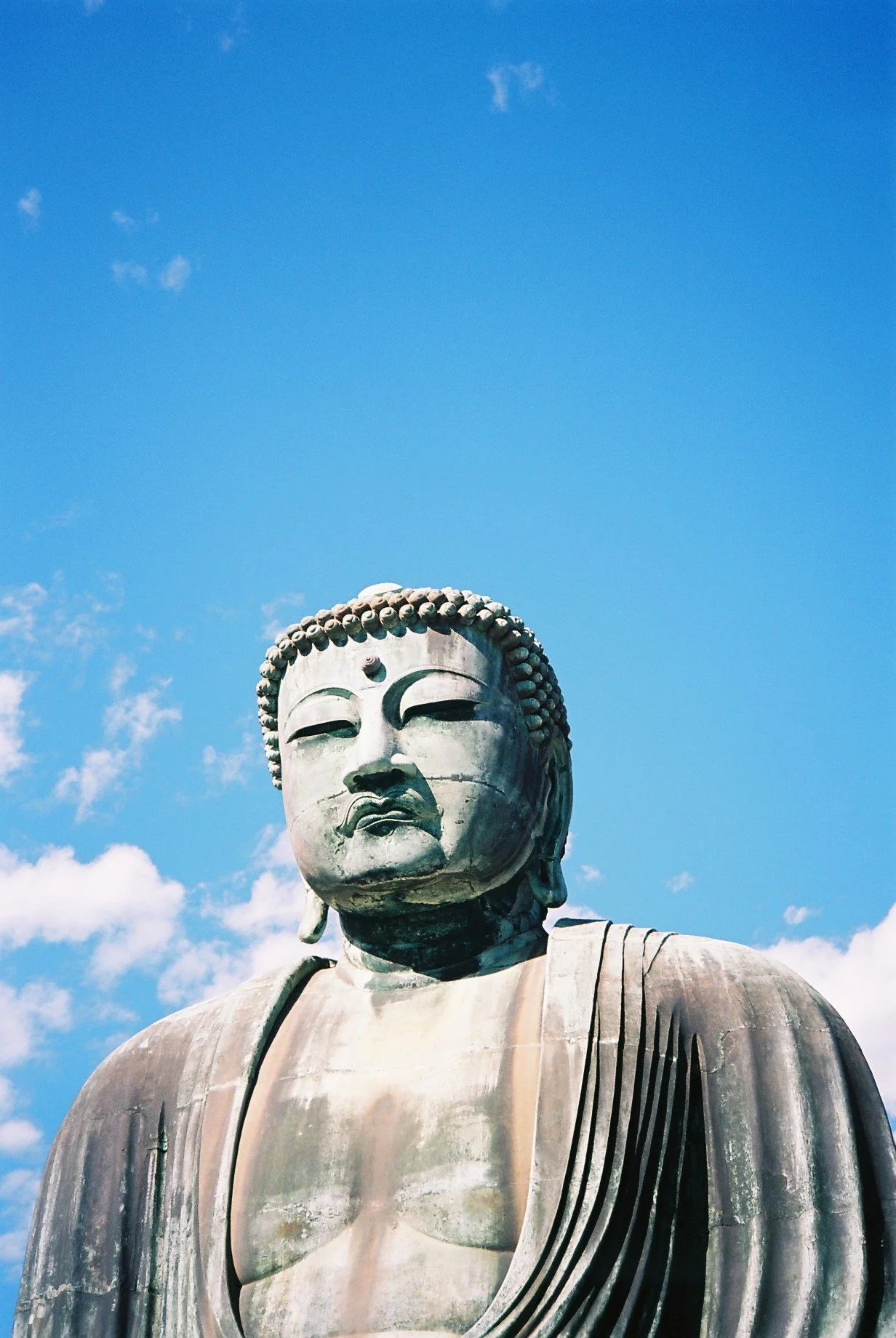
Kamakura has a way of softening expectations. You arrive with images of temples and history, but what stays with you are the in-between moments — residential streets, the smell of the sea, bicycles leaning against old walls.
What we notice first is scale. Compared to Tokyo, everything feels closer, more walkable, more human. Temples are not isolated monuments here; they are part of everyday life. You pass them on the way to the beach, or stumble upon them while following a narrow path.
Architecture in Kamakura rarely tries to impress. It blends, adapts, recedes. Even the famous sites feel grounded rather than staged. The city rewards wandering without direction.
If we were introducing Kamakura to a friend, we wouldn’t recommend a list. We’d suggest a day without a plan — walking from temple to café to shoreline, letting the rhythm of the place guide you. Kamakura isn’t about seeing history. It’s about living alongside it, briefly.